
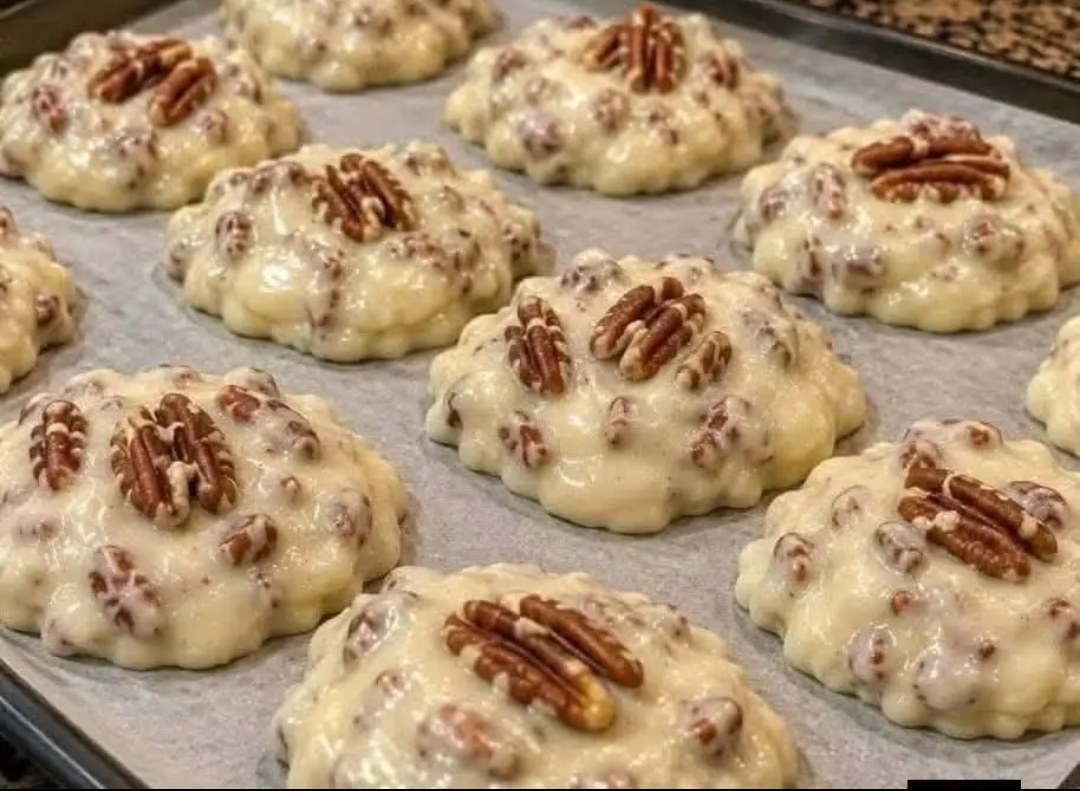
Southern Pecan Pralines are a beloved classic candy known for their creamy texture and rich, buttery sweetness combined with toasted pecans. This easy recipe captures the authentic Southern charm, perfect for candy lovers and anyone wanting to try a traditional treat that highlights the natural flavor of pecans in a smooth, melt-in-your-mouth confection.
With just a handful of simple ingredients and straightforward steps, you can make about 12 delicious pralines in under 30 minutes. This recipe is ideal for home cooks looking for a sweet, satisfying confection that balances nutty crunch and creamy sugar base without needing special skills or equipment.
Why you’ll love this Southern Pecan Pralines recipe
- It uses simple, everyday ingredients that come together quickly for a homemade candy treat you can feel confident making.
- The toasted pecans add a wonderful crunch and nutty flavor that pairs perfectly with the creamy sugar base, creating a delightful texture contrast.
- Cooking to the soft-ball stage ensures a smooth, melt-in-your-mouth texture every time, delivering that classic praline softness.
- This recipe doesn’t require any special equipment beyond a candy thermometer and basic kitchen tools, making it accessible for all skill levels.
- The pralines make a great gift or party favor, showcasing classic Southern hospitality and flavor that impresses any recipient.
Ingredients
- 2 cups pecan halves, lightly toasted
- 1 cup packed light brown sugar
- 1 cup granulated sugar
- 3/4 cup heavy cream
- 4 tablespoons unsalted butter
- 1 tablespoon light corn syrup
- 1 teaspoon vanilla extract
- 1/4 teaspoon kosher salt
Preparation takes about 10 minutes with 15 minutes of cooking time, yielding approximately 12 pralines. The key ingredients include toasted pecans, which bring a rich, nutty flavor and crunchy texture. Choose fresh pecans that are lightly toasted to enhance their natural oils and aroma without overpowering bitterness. The combination of light brown sugar and granulated sugar creates a balanced sweetness and depth, with the molasses in brown sugar adding subtle warmth. Heavy cream and butter contribute to the creamy consistency essential for classic pralines, while corn syrup helps prevent crystallization, keeping the candy smooth. Kosher salt and vanilla extract round out the flavors for a perfect balance.
Instructions
- Prepare your workspace. Line a baking sheet or countertop tray with parchment paper to set the pralines once cooked. This prevents sticking and makes cleanup easy.
- Combine ingredients. In a medium heavy saucepan, add the brown sugar, granulated sugar, heavy cream, butter, corn syrup, and salt. Combining these before heating ensures even cooking and sugar dissolution.
- Cook the mixture. Heat over medium, stirring until the sugars dissolve and the butter melts. Then stop stirring and let it cook until it reaches 236-240°F (soft-ball stage) on a candy thermometer. This precise temperature is critical to achieve the perfect praline texture.
- Cool and flavor. Remove from heat and let cool for 1-2 minutes. Stir in the vanilla extract and toasted pecans thoroughly to evenly distribute flavor and nuts without melting the vanilla.
- Beat the candy. Using a wooden spoon or sturdy spatula, beat the mixture for 1-3 minutes until it thickens slightly, loses some gloss, but remains spoonable. This step is essential to develop the creamy consistency by encouraging sugar crystallization at the right moment.
- Form pralines. Quickly drop heaping spoonfuls onto the parchment paper, adding a few extra pecan halves on top of each if desired. Work swiftly as the candy begins to set fast once off the heat.
- Set the pralines. Let the candy cool completely until firm, about 20-30 minutes, before serving or storing. This resting time allows the pralines to solidify with the ideal creamy yet slightly chewy texture.
Tips for the best results
- Lightly toast pecans to enhance their flavor but avoid burning them for a smooth taste. Toasting releases natural oils and deepens nuttiness, but burnt nuts add bitterness that can ruin the praline’s delicate balance.
- Use a reliable candy thermometer to reach the correct soft-ball stage for perfect texture. Temperature accuracy is crucial; too low results in sticky candy, too high makes it hard and brittle.
- Do not stir the mixture after reaching the soft-ball temperature to prevent crystallization. Stirring while hot can cause premature sugar crystals, leading to grainy texture instead of creamy.
- Beat the mixture vigorously after cooking to achieve the right creamy consistency. This controlled crystallization during beating is what gives pralines their signature smoothness.
- Work quickly when spooning pralines onto parchment, as the candy sets fast. Delays can cause pralines to harden too soon, making it difficult to shape them properly.
- Store pralines in an airtight container at room temperature to keep them fresh and tender. Exposure to air or humidity can dry them out or cause sticky surfaces.
Variations and substitutions
- Walnut Pralines: Substitute pecans with walnuts for a slightly different nutty flavor that offers a softer texture.
- Maple Pecan Pralines: Replace vanilla extract with pure maple syrup for a warm, sweet twist that complements the nuts beautifully.
- Chocolate Drizzle: Add a drizzle of melted dark or milk chocolate on top after setting for extra indulgence and contrast.
- Coconut Pralines: Mix in shredded coconut with the pecans for added texture and tropical flavor notes.
- Brown Butter Pralines: Use browned butter instead of regular butter for a deeper, nutty taste with caramel undertones.
Serving suggestions
Southern Pecan Pralines are perfect as a sweet snack or dessert on their own, offering a rich and satisfying bite. They pair wonderfully with a cup of freshly brewed coffee or aromatic tea, enhancing the nutty and buttery flavors. For a special touch, present pralines wrapped in decorative wax paper or small gift boxes, making them ideal edible gifts or party favors. Additionally, crumble pralines over vanilla ice cream or creamy puddings to add texture and a nutty crunch, transforming simple desserts into elegant treats.
Storage and reheating
Store pralines in an airtight container at room temperature, away from heat, direct sunlight, and humidity, which can cause them to become sticky or lose their texture. Properly stored, pralines keep well for up to two weeks, maintaining their creamy softness. Avoid refrigeration, as cold temperatures can harden the candy and dull the flavor. If pralines become slightly hard over time, simply let them sit at room temperature for 30 minutes to soften before serving. Reheating pralines is generally not recommended because it can alter their texture, making them grainy or overly hard.
Frequently asked questions
What is the soft-ball stage in candy making?
The soft-ball stage refers to a sugar syrup temperature between 236-240°F (113-116°C). At this stage, when a small amount of syrup is dropped into cold water, it forms a soft, pliable ball that flattens easily when removed. This temperature is essential for pralines because it ensures the candy will set with a creamy, chewy texture rather than hard or sticky. Achieving this precise stage is key to classic praline consistency.
Can I use roasted pecans instead of toasting them myself?
Yes, pre-roasted pecans can be used, but lightly toasting raw pecans yourself is recommended for the freshest flavor. Toasting releases the nuts’ natural oils and enhances aroma, which greatly improves the praline’s taste. If you use pre-roasted nuts, make sure they are unsalted and unflavored to avoid altering the candy’s balance. Avoid nuts roasted at very high temperatures or for too long, as they may taste bitter or burnt.
Why is corn syrup used in this praline recipe?
Corn syrup plays an important role in preventing sugar crystallization during cooking. It interferes with the formation of sugar crystals that would otherwise make the candy grainy. By keeping the sugar syrup smooth and stable, corn syrup helps ensure the pralines have a creamy texture. Additionally, it contributes to the chewy consistency that distinguishes pralines from harder candies.
How do I know when to stop stirring the sugar mixture?
You should stir the sugar mixture only until the sugars dissolve completely and the butter melts evenly. Once the mixture starts boiling and approaches the soft-ball temperature, it’s important to stop stirring. Continuing to stir at this point can encourage premature crystallization, resulting in grainy pralines. Instead, let the mixture cook undisturbed until it reaches the target temperature, ensuring smooth candy.
Can I make pralines without a candy thermometer?
While it is possible to make pralines without a candy thermometer, using one guarantees the best and most consistent results. Without a thermometer, you can test the mixture by dropping a bit of syrup into cold water; if it forms a soft ball that flattens when removed, the mixture is ready. However, this method requires experience and is less precise. A candy thermometer takes the guesswork out, helping you avoid under- or overcooking.
Final thoughts
Southern Pecan Pralines are a timeless treat that brings the warmth and sweetness of Southern tradition to your kitchen. This easy recipe invites you to enjoy a delightful candy-making experience with satisfying results that highlight the rich flavor of toasted pecans and creamy sugar. Whether for a special occasion, gift, or simple indulgence, homemade pralines are sure to impress. Try it today and share the rich flavor of homemade pralines with family and friends.