
Introduction
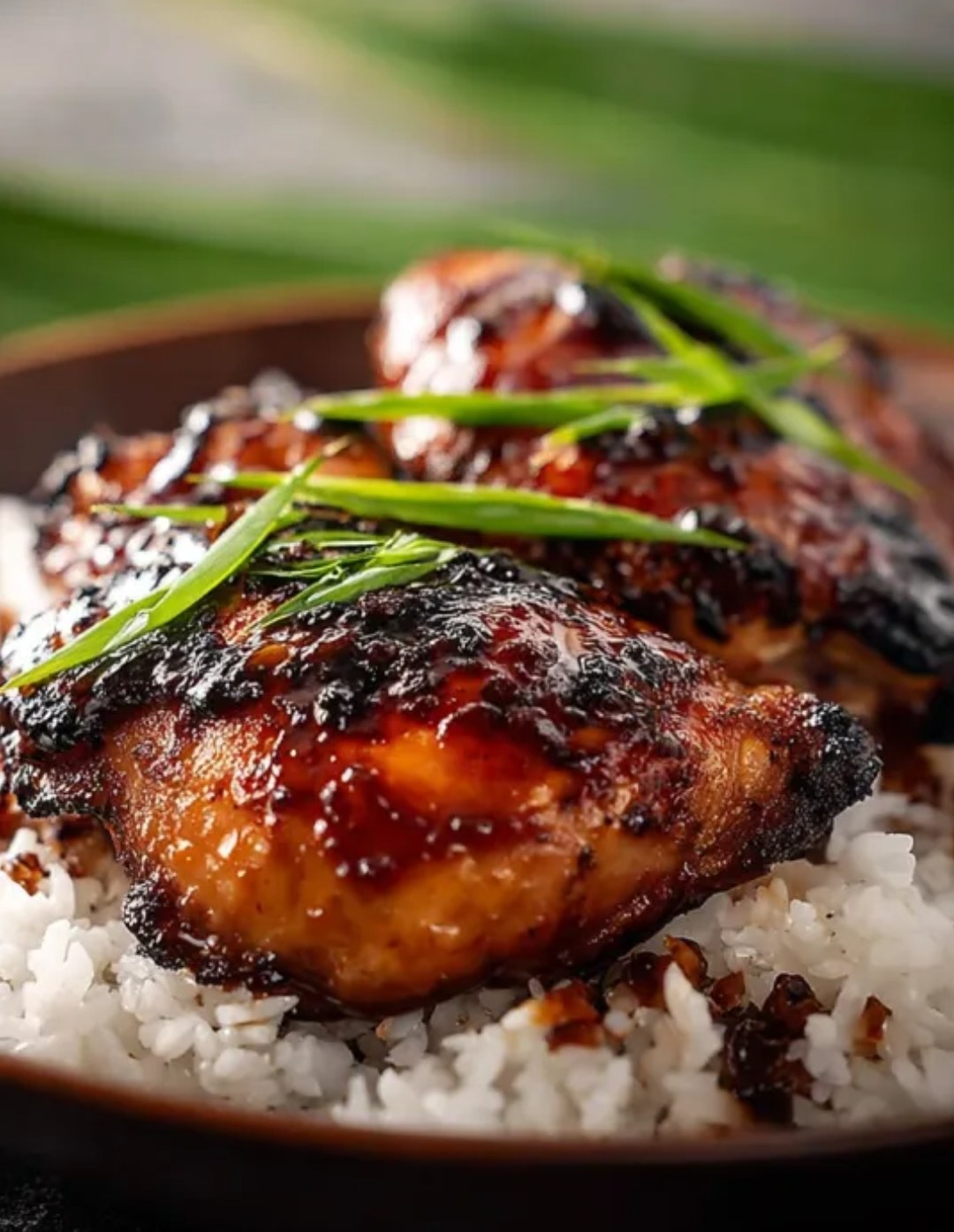
Teriyaki Chicken Thighs on Rice is a beloved Japanese-inspired dish that perfectly marries tender, juicy chicken thighs with a luscious, sweet-savory teriyaki glaze, all served atop fluffy Japanese short-grain rice. This recipe offers an authentic taste experience that’s accessible for home cooks seeking a flavorful yet straightforward meal.
Designed for busy weeknights or casual dinners, this dish requires just 10 minutes of preparation and 15 minutes of cooking. The marinated chicken thighs develop a caramelized crust while staying moist inside, complemented beautifully by a rich homemade teriyaki sauce. Whether you’re cooking for family or entertaining friends, this recipe delivers classic Japanese flavors with ease and speed.
Why you’ll love this Teriyaki Chicken Thighs on Rice
- Chicken thighs remain juicy and tender through cooking, providing deeper flavor than leaner cuts.
- The homemade teriyaki sauce achieves a perfect balance of sweet and savory, capturing authentic Japanese umami.
- Cooking the chicken skin-side down first creates a crispy, caramelized texture that enhances every bite.
- The entire meal comes together quickly, making it ideal for busy schedules without sacrificing taste.
- Serving over sticky Japanese short-grain rice ensures the sauce clings perfectly, creating a satisfying mouthfeel.
Ingredients
- 1 1/2 lb boneless skin-on chicken thighs
- 2 cups cooked Japanese short-grain rice
- 1/4 cup soy sauce
- 1/4 cup mirin
- 2 tbsp sake
- 2 tbsp brown sugar
- 1 tbsp honey
- 1 clove garlic, minced
- 1 tsp grated ginger
- 1 tbsp neutral oil
- 2 scallions, thinly sliced
Prep Time: 10 minutes | Cook Time: 15 minutes | Servings: 4
The heart of this recipe lies in its thoughtfully selected ingredients. Boneless skin-on chicken thighs are chosen for their rich flavor and natural fat content, which keeps the meat succulent and tender during cooking. Soy sauce provides the salty umami base, while mirin and sake—traditional Japanese rice wines—add layers of sweetness and depth that are difficult to replicate with other ingredients. Brown sugar and honey balance the savory elements with a gentle caramel sweetness, helping the sauce to glaze beautifully. Fresh garlic and grated ginger introduce aromatic warmth and subtle spice, elevating the overall flavor profile. For the rice, Japanese short-grain rice is essential due to its sticky, slightly chewy texture that captures the sauce, making every bite harmonious and satisfying.
Instructions
- Pat chicken dry and prepare marinade: Use paper towels to dry the chicken thighs thoroughly. In a small bowl, whisk together soy sauce, mirin, sake, brown sugar, honey, minced garlic, and grated ginger.
- Marinate the chicken: Place the chicken thighs in a shallow dish or zip-top bag and pour the marinade over them. Marinate for 20 to 30 minutes, reserving the excess marinade for later.
- Cook chicken skin-side down: Heat the neutral oil in a skillet or grill pan over medium-high heat. Place the chicken thighs skin-side down and cook until the skin is browned and slightly charred, about 5 to 7 minutes.
- Flip and finish cooking: Turn the chicken over and cook the other side for another 4 to 5 minutes until the chicken is nearly cooked through.
- Reduce the marinade: Pour the reserved marinade into a small saucepan or remove excess fat from the skillet and add the marinade. Simmer gently until it thickens slightly and becomes glossy.
- Glaze the chicken: Brush or spoon the thickened sauce over the chicken in the pan. Cook briefly until the sauce caramelizes and coats the chicken beautifully.
- Serve: Place cooked chicken thighs on bowls of hot cooked Japanese short-grain rice. Garnish with thinly sliced scallions for freshness and color.
Tips for the best results
- Pat the chicken dry before marinating: Removing surface moisture is crucial for achieving a crispy, caramelized skin because water creates steam that prevents browning. Dry skin sears better, rendering fat and developing rich color.
- Always reserve the marinade: The marinade contains concentrated flavors and sugars that make a perfect glaze when reduced. Pouring it over the chicken intensifies taste and adds a glossy finish.
- Use medium-high heat for cooking: This temperature range allows the skin to crisp without burning the sugars in the sauce. Too high heat risks charring, while too low results in soggy skin.
- Choose authentic ingredients or suitable substitutes: Mirin and sake bring unique sweetness and umami that are hard to replicate. If unavailable, use dry sherry with a pinch of sugar for mirin, and a mild white wine or light broth for sake to maintain balance.
- Let the chicken rest after cooking: Resting for 5 minutes allows juices to redistribute inside the meat, ensuring each bite is moist rather than dry.
- Warm the rice before serving: Heating rice keeps it soft and sticky, which helps the sauce adhere better and enhances the overall comforting quality of the dish.
Variations and substitutions
- Chicken breast: For a leaner alternative, boneless skinless chicken breast can be used. Because breasts cook faster and dry out more easily, reduce the cooking time and monitor closely to maintain juiciness.
- Brown rice: Substitute Japanese short-grain rice with cooked brown rice for a nuttier flavor and more dietary fiber. Note that the texture will be less sticky, so the sauce may not cling as well.
- Vegetarian option: Replace the chicken with firm tofu, pressing it to remove excess water and marinating it similarly. Grill or pan-fry until golden to create a satisfying plant-based version.
- Sweetener swap: Maple syrup or agave nectar can be used instead of honey to provide a different, yet complementary sweetness profile that pairs well with the soy-based sauce.
- Additional vegetables: Incorporate steamed broccoli, sautéed bell peppers, or snap peas on the side to add color, texture, and nutritional value, making the meal more balanced and visually appealing.
Serving suggestions
This Teriyaki Chicken Thighs on Rice dish pairs wonderfully with simple, fresh sides that complement its rich flavors. Steamed or sautéed vegetables such as bok choy, snap peas, or broccoli provide a crisp contrast and add vibrant color to the plate. A crisp cucumber salad or pickled ginger offers a refreshing, tangy counterpoint that cuts through the sweetness of the sauce. For a more substantial meal, serve alongside miso soup or a light Asian-style slaw to introduce additional textures and flavors. Garnishing with extra scallions or a sprinkle of toasted sesame seeds adds a delightful crunch and visual appeal, rounding out the dish perfectly.
Storage and reheating
Leftover teriyaki chicken and rice can be stored in an airtight container in the refrigerator for up to 3 days without significant loss of flavor or texture. When reheating, warming the chicken gently in a skillet over medium heat helps maintain its crispy exterior while preventing it from drying out. Alternatively, use a microwave on medium power to heat evenly, adding a small splash of water or broth if the sauce has thickened excessively to loosen it. Avoid overheating to preserve the juiciness of the chicken and the texture of the rice. Proper storage and reheating ensure your leftovers remain just as enjoyable as freshly made.
Frequently asked questions
Can I use chicken breasts instead of thighs?
Yes, chicken breasts can be used as a leaner alternative; however, they cook more quickly and are prone to drying out. To keep them moist, reduce the marinating time slightly and watch the cooking time carefully, cooking just until the internal temperature reaches 165°F (74°C). Using skinless breasts means you won’t get the crispy skin, but you can still achieve flavorful results by glazing with the teriyaki sauce.
What is mirin and can I skip it?
Mirin is a sweet Japanese rice wine that adds a subtle sweetness and depth of flavor to dishes. It also helps achieve the characteristic glossy finish of teriyaki sauce. If you don’t have mirin, you can substitute with a combination of dry sherry and a small amount of sugar or honey to mimic the sweetness and acidity. Omitting it altogether will alter the flavor balance, making the dish less authentic and slightly less complex.
How do I get crispy skin on the chicken?
Achieving crispy skin involves thoroughly patting the chicken dry to remove moisture, which prevents steaming. Cooking skin-side down over medium-high heat without moving the chicken allows the fat to render and the skin to brown evenly. Resist the urge to flip too soon or press down, as this can tear the skin and reduce crispiness. The result is a beautifully caramelized, crunchy exterior that enhances texture and flavor.
Is it necessary to marinate the chicken?
Marinating the chicken is highly recommended as it infuses the meat with the teriyaki flavors and tenderizes it. The marinade also forms the base for the sauce glaze when reduced. If you’re short on time, you can skip marinating and instead brush the sauce onto the chicken during the final cooking stage, but the depth of flavor will be less pronounced.
Can I prepare this recipe ahead of time?
Absolutely. You can marinate the chicken up to 24 hours in advance in the refrigerator, which can deepen the flavor even further. Cook the chicken just before serving to maintain the best texture, especially for crispy skin. Leftovers store well and can be reheated quickly for convenient meals later in the week.
Final thoughts
Teriyaki Chicken Thighs on Rice is a delicious and approachable dish that brings authentic Japanese flavors right into your kitchen. Its tender, juicy chicken coated in a glossy, perfectly balanced sauce paired with sticky rice makes for a comforting and elegant meal. Whether you’re a seasoned cook or new to Japanese cuisine, this recipe is sure to become a favorite. Give it a try and enjoy the rich, satisfying flavors that make teriyaki such a beloved classic.