
Perfectly Roasted Ribeye Steaks: Juicy & Flavorful Every Time
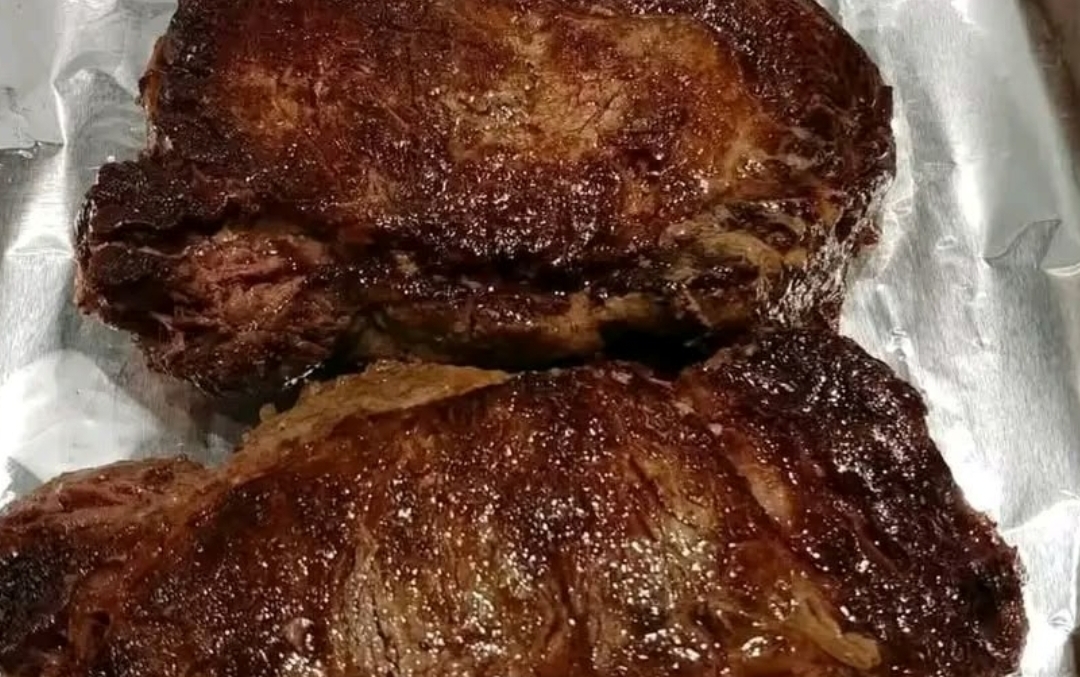
There’s nothing quite like a perfectly cooked ribeye steak. The rich marbling, the tender texture, and that incredible beefy flavor make it a true culinary delight. While many gravitate towards grilling or pan-searing, roasting ribeye steaks in the oven can yield equally stunning results, especially when you want consistent doneness and a hands-off approach after the initial sear. This roasted ribeye steak recipe is designed to help you achieve that coveted dark brown crust and glistening surface, just like the ones you see in the photos, ensuring a juicy and flavorful experience every single time.
Whether you’re a seasoned home cook or just starting your culinary journey, mastering the art of cooking a ribeye is a rewarding skill. This method combines a quick sear for that irresistible crust with a controlled roast in the oven, leading to an evenly cooked steak that’s tender from edge to edge. Say goodbye to dry, unevenly cooked steaks and hello to a truly impressive meal.
Why You’ll Love This Roasted Ribeye Steak Recipe
- Incredible Flavor: The combination of garlic powder, onion powder, and the natural richness of ribeye creates an unforgettable taste.
- Perfectly Cooked: Roasting provides a consistent, even cook, making it easier to achieve your desired doneness.
- Beautiful Crust: A quick initial sear ensures that delicious, caramelized crust.
- Simple Ingredients: You likely have most of these seasonings in your pantry already.
- Versatile: This method works wonderfully for a variety of beef cuts, making it a staple in your dinner rotation.
Ingredients for Roasted Ribeye Steaks
Preparing a delicious roasted ribeye steak doesn’t require a long list of exotic ingredients. In fact, simplicity often brings out the best in high-quality meat. Here’s what you’ll need for this mouthwatering recipe:
- 2 ribeye steaks (about 1.5 inches thick)
- 2 tablespoons olive oil
- 1 teaspoon garlic powder
- 1 teaspoon onion powder
- 1 teaspoon salt (or to taste)
- 1/2 teaspoon black pepper (freshly ground preferred, or to taste)
These core ingredients form the foundation of a fantastic steak. The olive oil helps with searing and carries the flavors of the seasonings, while garlic powder and onion powder are classic steak enhancements, adding depth and savory notes without overpowering the natural beef flavor.
Ingredient Notes
- Ribeye Steaks: Opt for good quality, well-marbled ribeye steaks. Marbling (the white flecks of fat) is key to a juicy and flavorful steak. Aim for steaks that are at least 1.25 to 1.5 inches thick for optimal roasting. Thinner steaks cook much faster and can be prone to drying out.
- Olive Oil: Extra virgin olive oil is great for flavor, but a standard olive oil or even avocado oil with a higher smoke point can also be used for searing. The oil helps create that beautiful brown crust.
- Garlic Powder & Onion Powder: These dried spices offer concentrated flavor and adhere well to the steak. They are essential for building a savory profile. Fresh garlic can burn easily during high-heat searing, so powders are often preferred for this method.
- Salt & Pepper: Use good quality coarse sea salt or kosher salt for seasoning. Freshly ground black pepper always provides a superior flavor compared to pre-ground. Don’t be shy with the seasoning; it’s crucial for a flavorful crust.
How to Make Roasted Ribeye Steaks
Follow these steps to create perfectly roasted ribeye steaks that will impress everyone at your dinner table:
- Prepare the Steaks: Remove the ribeye steaks from the refrigerator about 30-60 minutes before cooking. This allows them to come closer to room temperature, promoting more even cooking. Pat them thoroughly dry with paper towels. Excess moisture on the surface prevents a good sear.
- Season Generously: In a small bowl, combine the garlic powder, onion powder, salt, and black pepper. Drizzle the olive oil over both sides of the steaks, then rub the seasoning mixture evenly over the entire surface of each steak. Make sure to coat the edges as well.
- Preheat Oven & Skillet: Preheat your oven to 400°F (200°C). Place a heavy-bottomed, oven-safe skillet (cast iron is ideal) in the oven as it preheats for about 10-15 minutes. This ensures the skillet is screaming hot when you add the steaks.
- Sear the Steaks: Carefully remove the hot skillet from the oven (use oven mitts!). Place it on the stovetop over high heat. Add the seasoned ribeye steaks to the hot skillet. Sear for 2-3 minutes per side, until a deep brown crust forms. Use tongs to sear the edges for about 1 minute each.
- Roast in the Oven: Transfer the skillet with the seared steaks directly to the preheated oven. Roast for 6-10 minutes, depending on the thickness of your steaks and your desired doneness.
- Check Doneness: Use a meat thermometer to check the internal temperature. For medium-rare, aim for 125-130°F (52-54°C); for medium, 130-135°F (54-57°C). Remember, the temperature will rise a few degrees during resting.
- Rest the Steaks: Once desired doneness is reached, remove the skillet from the oven. Transfer the steaks to a cutting board or a plate, cover loosely with aluminum foil, and let them rest for at least 5-10 minutes. This crucial step allows the juices to redistribute throughout the meat, resulting in a more tender and juicy steak.
- Serve: Slice against the grain and serve immediately.
Helpful Cooking Tips
- Don’t Skip the Room Temperature Step: Allowing your steaks to come closer to room temperature ensures a more even cook from edge to edge. Cold steaks will have a larger grey band in the center.
- Pat Dry, Always: Moisture on the surface of the steak will steam instead of sear, preventing that desirable crust.
- Use a Hot Skillet: A super-hot skillet is essential for achieving a good sear quickly. Cast iron retains heat exceptionally well.
- Don’t Overcrowd the Pan: If cooking more than two steaks, sear them in batches to maintain high heat in the pan and ensure proper browning.
- Invest in a Meat Thermometer: This is your best friend for perfectly cooked steaks. Guessing can lead to over or undercooking.
- Resting is Non-Negotiable: This step is critical for a juicy steak. If you cut into it too soon, all those delicious juices will run out onto your cutting board instead of staying in the meat.
Ingredient Substitutions
- Different Cuts of Beef: While this recipe focuses on ribeye, you can adapt it for other thick-cut steaks like New York strip, porterhouse, or even a thick sirloin. Adjust cooking times based on thickness and desired doneness.
- Other Oils: Avocado oil, grapeseed oil, or even clarified butter (ghee) can be used for searing due to their high smoke points.
- Seasoning Variations: Feel free to experiment with other spices. Smoked paprika, a pinch of cayenne for heat, or a pre-made steak rub can add different flavor dimensions.
Variations
- Herb Butter Finish: During the last minute of roasting, add a tablespoon of butter, a sprig of fresh rosemary, and a clove of smashed garlic to the skillet. Baste the steaks with this aromatic butter as they finish cooking.
- Blue Cheese Crust: Crumble some blue cheese over the steaks during the last few minutes of roasting for a tangy, savory crust.
- Spice Rubs: Create your own custom spice rub with ingredients like chili powder, cumin, or brown sugar for a unique flavor profile.
Serving Suggestions
Roasted ribeye steaks are a showstopper on their own, but pairing them with the right sides elevates the meal. Consider:
- Garlic mashed potatoes or roasted potatoes
- Steamed or roasted asparagus
- Creamed spinach
- A simple green salad with a vinaigrette
- Sautéed mushrooms and onions
- A rich red wine sauce or a simple pan sauce made with the drippings from the skillet.
Storage and Reheating
If you happen to have any leftover roasted ribeye steak (a rare occurrence!), proper storage is key to maintaining its quality:
- Storage: Allow the steak to cool completely, then transfer it to an airtight container. Store in the refrigerator for up to 3-4 days.
- Reheating: To reheat, gently warm the steak in a preheated oven at 275°F (135°C) until just warmed through, or slice it thin and quickly sear in a hot pan. Be careful not to overcook, as this can dry out the meat. Leftover steak is also delicious sliced cold in salads or sandwiches.
Frequently Asked Questions
Q: What is the best internal temperature for ribeye steak?
A: This depends on your preference. For medium-rare, aim for 125-130°F (52-54°C). For medium, 130-135°F (54-57°C). Remember to remove the steak from heat a few degrees below your target as it will continue to cook while resting.
Q: Do I need to use an oven-safe skillet?
A: Yes, an oven-safe skillet, preferably cast iron, is crucial for this method as it goes directly from the stovetop into the hot oven.
Q: Can I use this method for thicker or thinner steaks?
A: Yes, but you will need to adjust the roasting time. Thicker steaks will require more time, while thinner steaks will need less. Always rely on a meat thermometer for accuracy.
Q: Why is resting the steak so important?
A: Resting allows the muscle fibers to relax and reabsorb the juices that have been pushed to the center during cooking. This results in a much juicier and more tender steak.
Final Recipe Notes
This roasted ribeye steak recipe is a fantastic way to enjoy a high-quality cut of beef with minimal fuss and maximum flavor. The combination of a good sear and controlled oven roasting ensures a steak that’s beautifully crusted on the outside and wonderfully juicy and tender on the inside. Experiment with your favorite seasonings and don’t forget that crucial resting step for the best possible results.
Don’t lose this recipe! If you want to keep getting delicious, easy-to-follow recipes like this one straight to your feed, make sure to like and follow! Thank you for your support!
Ingredients
- 2 ribeye steaks (about 1.5 inches thick)
- 2 tablespoons olive oil
- 1 teaspoon garlic powder
- 1 teaspoon onion powder
- 1 teaspoon salt (or to taste)
- 1/2 teaspoon black pepper (freshly ground preferred, or to taste)
Instructions
- Prepare the Steaks: Remove the ribeye steaks from the refrigerator about 30-60 minutes before cooking. This allows them to come closer to room temperature, promoting more even cooking. Pat them thoroughly dry with paper towels.
- Season Generously: In a small bowl, combine the garlic powder, onion powder, salt, and black pepper. Drizzle the olive oil over both sides of the steaks, then rub the seasoning mixture evenly over the entire surface of each steak. Make sure to coat the edges as well.
- Preheat Oven & Skillet: Preheat your oven to 400°F (200°C). Place a heavy-bottomed, oven-safe skillet (cast iron is ideal) in the oven as it preheats for about 10-15 minutes. This ensures the skillet is screaming hot when you add the steaks.
- Sear the Steaks: Carefully remove the hot skillet from the oven (use oven mitts!). Place it on the stovetop over high heat. Add the seasoned ribeye steaks to the hot skillet. Sear for 2-3 minutes per side, until a deep brown crust forms. Use tongs to sear the edges for about 1 minute each.
- Roast in the Oven: Transfer the skillet with the seared steaks directly to the preheated oven. Roast for 6-10 minutes, depending on the thickness of your steaks and your desired doneness.
- Check Doneness: Use a meat thermometer to check the internal temperature. For medium-rare, aim for 125-130°F (52-54°C); for medium, 130-135°F (54-57°C). Remember, the temperature will rise a few degrees during resting.
- Rest the Steaks: Once desired doneness is reached, remove the skillet from the oven. Transfer the steaks to a cutting board or a plate, cover loosely with aluminum foil, and let them rest for at least 5-10 minutes. This crucial step allows the juices to redistribute throughout the meat, resulting in a more tender and juicy steak.
- Serve: Slice against the grain and serve immediately.
- Prep time: 15 minutes
- Cook time: 15-20 minutes
- Total time: 30-35 minutes
- Servings: 2 servings