
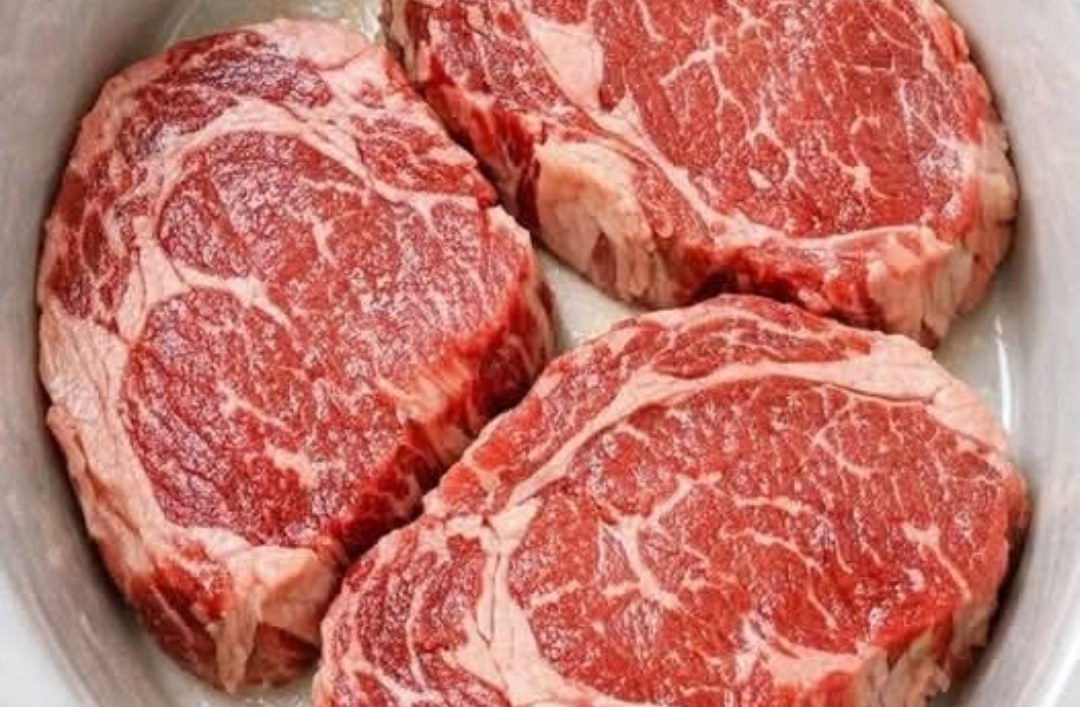
Raw boneless ribeye steaks are one of the most sought-after cuts for steak lovers due to their exceptional marbling and rich beef flavor. This recipe is designed to help you prepare and pan-sear these steaks to perfection, delivering a tender, juicy, and deeply flavorful meal. Whether you are new to cooking steaks or have plenty of experience, following these clear steps will ensure a consistently delicious result every time you cook.
With just a handful of essential ingredients and minimal preparation, you can transform raw boneless ribeye steaks into a restaurant-quality dish in less than 30 minutes. This method highlights the natural taste and buttery texture of the ribeye, making it perfect for a special dinner or a satisfying weeknight treat. The process focuses on simple seasoning, optimal searing, and careful resting to maximize flavor and juiciness.
Why you’ll love this Raw Boneless Ribeye Steaks recipe
- It delivers perfectly seared steaks with a crispy, caramelized crust and a tender, juicy interior every time.
- The straightforward seasoning enhances the steak’s natural flavor without overpowering it.
- The dry brine technique helps the meat retain moisture and increases depth of flavor by allowing salt to penetrate thoroughly.
- This recipe uses common kitchen ingredients and simple equipment, making it accessible for cooks of all skill levels.
- You can easily adjust cooking times and temperatures to achieve your preferred level of doneness with confidence.
Ingredients
- 3 boneless ribeye steaks, about 12-14 oz (340-400 g) each and 1 1/2 inches thick
- 1 1/2 tbsp kosher salt
- 1 1/2 tsp freshly ground black pepper
- 1 tbsp neutral oil
- 2 tbsp unsalted butter
- 2 garlic cloves, smashed
- 2 sprigs fresh thyme or rosemary
- Servings: 3 servings
- Prep Time: 10 minutes
- Cook Time: 8-12 minutes
The centerpiece of this recipe is the boneless ribeye steak, known for its abundant marbling, which melts during cooking to create a juicy, flavorful bite. When selecting your steaks, opt for cuts with a good distribution of fat throughout the meat and aim for a thickness of about 1 1/2 inches to ensure a perfect sear without overcooking. Using kosher salt is ideal because its larger crystals help create a savory crust and draw out moisture to enhance tenderness. Freshly ground black pepper adds a subtle heat and complexity. The neutral oil should have a high smoke point, such as canola or grapeseed oil, to prevent burning during searing. Fresh herbs and garlic provide aromatic depth when basting the steak in butter.
Instructions
- Dry the steaks: Pat the ribeye steaks very dry with paper towels. Removing surface moisture is crucial as it prevents steaming and helps form a golden-brown crust when searing.
- Season and brine: Generously season all sides of the steaks with kosher salt and freshly ground black pepper. Let the steaks rest uncovered at room temperature for 30-45 minutes to allow the salt to draw moisture from the surface and then reabsorb it, intensifying flavor and improving texture. For an even deeper flavor, refrigerate uncovered for up to 24 hours.
- Heat the skillet: Place a heavy cast-iron skillet over high heat and allow it to become very hot before adding oil. This ensures the steaks sear immediately, locking in juices and preventing sticking.
- Sear the first side: Add the neutral oil to the skillet and swirl to coat the surface. Place the steaks in the skillet without crowding and sear for 2-3 minutes without moving them. This undisturbed contact allows a deep brown crust to develop.
- Sear the second side: Flip the steaks carefully and sear the other side for another 2-3 minutes. This ensures an even crust on both sides, enhancing flavor and texture.
- Add aromatics and baste: Reduce the heat to medium. Add the unsalted butter, smashed garlic cloves, and fresh thyme or rosemary to the pan. Tilt the skillet slightly and use a spoon to continuously baste the melted butter and aromatics over the steaks for 1-2 minutes. This technique infuses the meat with rich, herbaceous flavor and keeps the surface moist.
- Cook to desired doneness: Continue cooking while basting until the steaks reach your preferred internal temperature: about 125°F (52°C) for rare, 130-135°F (54-57°C) for medium-rare, and 140°F (60°C) for medium. Use an instant-read thermometer inserted into the thickest part of the steak for precise results.
- Rest the steaks: Remove the steaks from the skillet and transfer them to a plate or cutting board. Let them rest for 5-10 minutes, loosely covered with foil. Resting allows the juices to redistribute evenly throughout the meat, preventing them from running out when sliced and ensuring a juicy steak.
Tips for the best results
- Always pat steaks dry before seasoning: Moisture on the surface causes steaming rather than searing, preventing the formation of a flavorful crust. Dry steaks sear better, producing that coveted Maillard reaction.
- Bring steaks to room temperature before cooking: Starting with cold meat leads to uneven cooking. Allowing steaks to rest at room temperature for 30-45 minutes ensures the interior cooks more evenly and reduces the risk of overcooking the exterior.
- Use a heavy-bottomed skillet, preferably cast iron: Cast iron retains and distributes heat evenly, which is essential for consistent searing and prevents hot spots that can burn the meat.
- Don’t overcrowd the pan: Cooking too many steaks at once lowers the pan temperature, causing the meat to steam instead of sear. Cook in batches if needed to maintain high heat and proper crust formation.
- Use a meat thermometer for accurate doneness: Relying on time alone can lead to over- or undercooking. An instant-read thermometer ensures you hit your preferred temperature every time.
- Rest the steaks after cooking: Resting is critical as it allows muscle fibers to relax and juices to redistribute. Cutting too soon causes flavorful juices to escape, resulting in a dry steak.
Variations and substitutions
- Swap fresh thyme or rosemary for sage or oregano to introduce a different aromatic note that complements the beef.
- Use clarified butter or ghee instead of unsalted butter for basting. These have higher smoke points, allowing you to baste at higher temperatures without burning the fat.
- Replace kosher salt with sea salt if preferred, keeping the same quantity. Both salts work well for dry brining, but sea salt may have a slightly different texture or flavor.
- Marinate the steaks briefly in minced garlic, herbs, and a splash of olive oil before cooking to add an extra layer of flavor without overpowering the meat.
- For a smoky finish, after searing in the pan, transfer the steaks to a hot grill for 1-2 minutes per side. This adds a subtle charred flavor and grill marks.
Serving suggestions
These perfectly seared raw boneless ribeye steaks pair beautifully with classic steakhouse sides such as creamy mashed potatoes, roasted root vegetables, or a crisp green salad dressed with a light vinaigrette. For a flavor boost, consider topping the steaks with a dollop of garlic herb butter or a vibrant chimichurri sauce made from fresh parsley, garlic, vinegar, and olive oil. Complement the meal with a full-bodied red wine like Cabernet Sauvignon or Malbec, or serve with your favorite steak sauce for added richness. This combination creates a well-rounded and satisfying dinner suitable for both casual meals and special occasions.
Storage and reheating
Leftover cooked ribeye steaks can be stored in an airtight container in the refrigerator for up to 3 days. To preserve moisture and tenderness when reheating, warm them gently in a low oven set to 250°F (120°C) or on the stovetop over low heat. Adding a small splash of beef broth or a pat of butter while reheating helps maintain juiciness. Avoid using the microwave, as it tends to dry out the meat and can make it tough. Alternatively, enjoy cold leftover steak sliced thinly in salads, sandwiches, or wraps for a quick and flavorful meal variation.
Frequently asked questions
Can I cook ribeye steaks from frozen?
While it is possible to cook ribeye steaks from frozen, it is not recommended for optimal results. Cooking frozen steaks can lead to uneven cooking, with the exterior potentially overcooked while the interior remains underdone. For the best sear and consistent doneness, thaw steaks fully in the refrigerator or at room temperature before cooking. This allows the meat to cook evenly and develop a proper crust.
What is the best doneness for ribeye steak?
Medium-rare, with an internal temperature of 130-135°F (54-57°C), is widely regarded as the ideal doneness for ribeye steaks. At this temperature, the steak retains its juiciness and tenderness while allowing the marbled fat to melt and enhance flavor. However, doneness preference is subjective—some prefer rare for maximum juiciness or medium for a firmer texture. Using a thermometer helps achieve your preferred level precisely.
Why do I need to let the steaks rest?
Resting steaks after cooking is essential because it allows the muscle fibers to relax and the juices, which are pushed to the center during cooking, to redistribute evenly throughout the meat. Cutting into the steak immediately causes these juices to spill out, resulting in a drier, less flavorful steak. Resting for 5-10 minutes ensures a moist, tender bite and enhances the overall eating experience.
Can I use other oils instead of neutral oil?
Yes, oils with a high smoke point such as avocado oil, grapeseed oil, or refined sunflower oil are excellent alternatives to neutral oil for searing steaks. These oils can withstand the high temperatures needed to develop a crust without burning. Avoid extra virgin olive oil, as it has a lower smoke point and can impart a bitter taste or smoke excessively during searing.
How thick should the ribeye steaks be?
A thickness of about 1 1/2 inches is optimal for ribeye steaks when pan-searing. This thickness allows the outside to form a flavorful crust while giving you control over the interior doneness without overcooking. Thinner steaks cook very quickly and can easily become overdone, while thicker cuts may require finishing in the oven to cook through evenly.
Final thoughts
Raw boneless ribeye steaks, when cooked with attention to detail and simple but effective techniques, offer an exceptional steak experience. This recipe brings out the best qualities of this prized cut, with a rich, juicy interior and a beautifully seared crust. By mastering these steps, you can enjoy restaurant-quality steaks at home with confidence. Give this recipe a try for your next meal and savor the delicious, tender results.